
Introduction
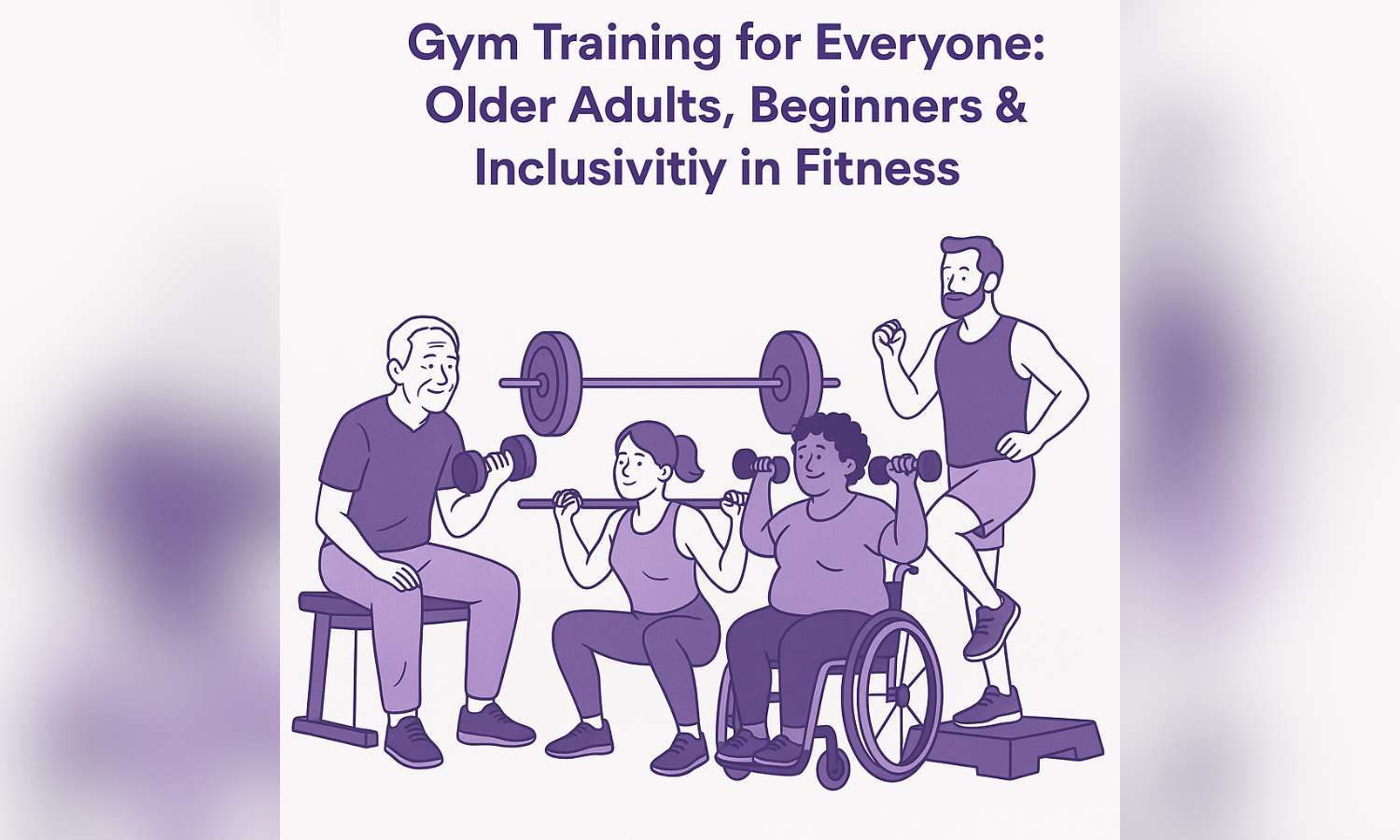
Gym culture is changing, and that’s a good thing. Fitness today isn’t just for young athletes or bodybuilders. Inclusive gym training makes strength, mobility, and overall wellness accessible to everyone: older adults, absolute beginners, people with diverse body types, and different ability levels. If you’ve ever felt like the gym wasn’t made for you, it’s time to flip the script.
Why Inclusive Gym Training Matters
It’s Never Too Late to Start
Whether you’re 60 or 16, starting strength training has life-changing benefits. For older adults, it improves bone density, joint function, and balance—essential for independence. For beginners, it builds confidence, coordination, and a solid base for long-term health.
Fitness Should Be Welcoming
Gyms should feel like a place of growth, not intimidation. Inclusive gyms offer:
- Adaptable equipment
- Trainers experienced with all age groups
- Non-judgmental, body-neutral environments
Common Barriers And How to Break Them
- Intimidation: Find beginner-friendly classes or personal trainers.
- Lack of knowledge: Start with machines—they guide movement and reduce injury risk.
- Mobility issues: Seated exercises and resistance bands offer great results.
- Chronic conditions: Consult a trainer certified in adaptive fitness or work with your doctor.
Training Guidelines for Beginners & Older Adults
Warm-Up (5–10 mins)
Always begin with light cardio and dynamic stretches. This improves circulation and preps your joints.
Strength Training (2–3x/week)
Use machines, resistance bands, or bodyweight. Target major muscle groups:
- Legs (squats, leg press)
- Back (rows, lat pull-downs)
- Chest (push-ups, chest press)
- Core (planks, seated twists)
Balance & Flexibility (2x/week)
- Single-leg stands
- Heel-to-toe walking
- Gentle yoga or stretching
Cardiovascular Activity (3–5x/week)
Walking, a stationary bike, and an elliptical are low-impact movements.
Sample Weekly Plan
| Day | Focus | Activities |
|---|---|---|
| Mon | Strength (Upper Body) | Chest press, seated row, bicep curls |
| Tue | Light Cardio | 20 min walk or bike |
| Wed | Strength (Lower Body) | Leg press, squats, calf raises |
| Thu | Balance & Stretching | Chair yoga, balance drills |
| Fri | Full Body Circuit | Circuit of 6–8 machine/band exercises |
| Sat | Active Rest | Gentle walk or recreational activity |
| Sun | Rest or Stretching | Full-body flexibility routine |
Tips for an Inclusive Gym Experience
- Start light: Proper form beats heavy weights every time.
- Log your progress: Small wins add up.
- Celebrate function: Can you move better, feel stronger, and stand longer? That’s your victory.
- Speak up: Ask staff to demonstrate exercises or suggest modifications.
Motivation for the Long Term
Inclusive gym training is not about keeping up with others; it’s about elevating your personal quality of life.
You’re not “too old” or “too out of shape.” You’re just at the start of a new chapter.
Call to Action
Start today. Whether it’s 10 minutes of stretching, your first gym tour, or booking a beginner session, every effort counts. Inclusive gym training isn’t a trend; it’s a movement. And you’re invited.