
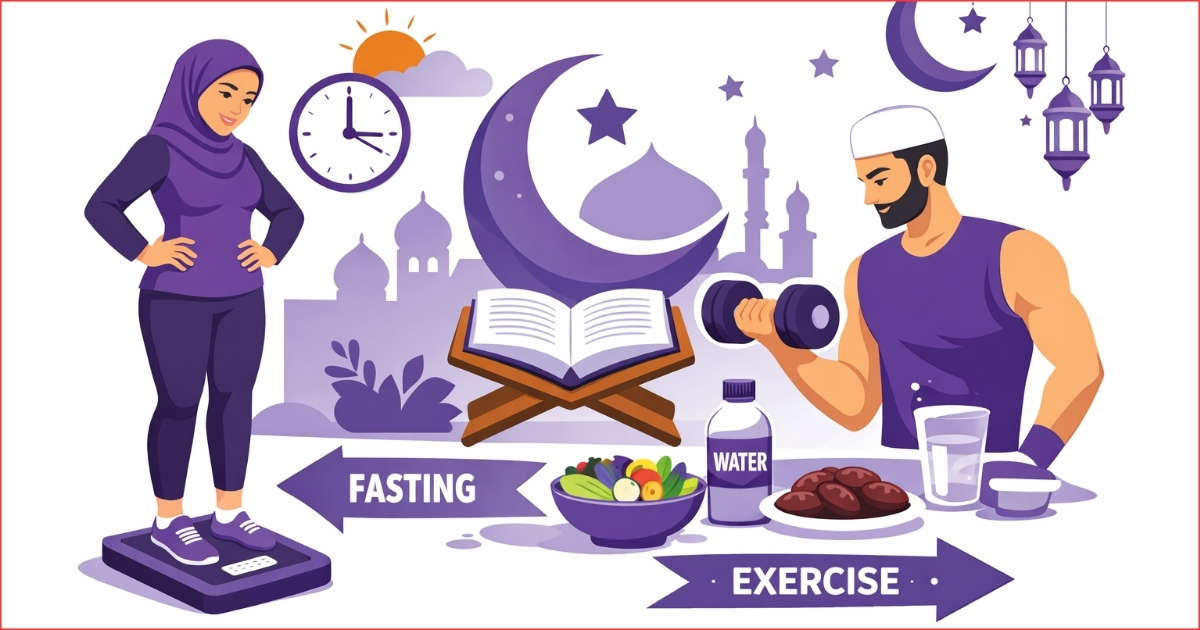
The Complete Guide to Losing Weight During Ramadan
If you want to lose weight during Ramadan, you’re not alone. Many people see Ramadan as the perfect opportunity to reset their habits, improve discipline, and finally shed stubborn fat.
But here’s the truth:
Ramadan can either help you lose weight — or make you gain it.
It all depends on your strategy.
In this complete Ramadan weight loss plan, you’ll learn exactly how to structure your meals, workouts, hydration, and sleep so you burn fat while fasting — without losing muscle or energy.
Let’s break it down.
Can You Really Lose Weight During Ramadan?
Yes — and in many cases, it can actually be easier.
When done properly, fasting helps:
- Reduce calorie intake naturally
- Improve insulin sensitivity
- Increase fat oxidation
- Improve discipline and mindful eating
However, weight gain happens when:
- Iftar turns into a feast of fried foods
- Sugary drinks replace water
- You overeat to “compensate” for fasting
- Physical activity drops to zero
The goal is simple:
Create a slight calorie deficit while maintaining muscle and hydration.
The Perfect Ramadan Weight Loss Plan
Let’s divide it into 4 key pillars:
- Smart Suhoor
- Controlled Iftar
- Proper Hydration
- Strategic Workouts
1. Smart Suhoor for Fat Loss
Suhoor sets the tone for your entire day.
If you eat refined carbs and sugary foods, you’ll crash early and feel extremely hungry before Iftar.
What to Eat at Suhoor
Focus on:
- High protein (eggs, Greek yogurt, cottage cheese)
- Slow-digesting carbs (oats, whole wheat roti, quinoa)
- Healthy fats (nuts, seeds, peanut butter)
- Fiber (vegetables, chia seeds)
- Plenty of water
Sample Fat-Loss Suhoor
- 2–3 boiled eggs
- 1 bowl oats with chia seeds
- Handful of almonds
- 2–3 glasses of water
Avoid:
- Sugary cereals
- Fried parathas
- Sweet drinks
- Excess tea/coffee
Protein keeps you full longer and protects muscle while fasting.
2. How to Control Iftar Without Overeating
This is where most people sabotage progress.
After fasting all day, hunger is high — but overeating will eliminate your calorie deficit.
Step 1: Break Fast Light
- 1–2 dates
- 1 glass water
- Small bowl fruit or soup
Wait 10–15 minutes before the main meal.
Step 2: Balanced Main Meal
Your Iftar plate should look like:
- 40% vegetables
- 30% lean protein (chicken, fish, paneer, lentils)
- 20% complex carbs (rice, roti)
- 10% healthy fats
Avoid:
- Deep fried samosas
- Pakoras
- Sugary drinks
- Heavy desserts daily
You don’t need to eliminate treats — just control portions.
3. Hydration Strategy for Fat Loss
Dehydration slows metabolism and increases cravings.
From Iftar to Suhoor:
- Drink 2.5–3 liters of water
- Add electrolytes if sweating heavily
- Limit caffeinated drinks
- Avoid sugary beverages
Hydration improves workout performance and prevents false hunger signals.
4. Best Workout Timing During Ramadan
Yes — you should still train.
Training preserves muscle, which keeps metabolism high.
Best Workout Times:
Option 1: 45–60 minutes before Iftar
Light cardio or strength training. You can eat immediately after.
Option 2: 1–2 hours after Iftar
Best for heavier weight training sessions.
Option 3: After Taraweeh
If energy allows, short strength-focused workouts.
Best Workout Types for Ramadan
- Full-body strength training (3–4x per week)
- Light cardio (walking 20–30 min)
- Bodyweight workouts
- Mobility and stretching
Avoid:
- Long intense HIIT sessions daily
- Excessive cardio without fuel
- Training to failure while dehydrated
Goal = Maintain muscle + moderate calorie burn.
5. Sleep & Recovery: The Hidden Fat Loss Tool
Ramadan often disrupts sleep.
Poor sleep leads to:
- Increased hunger hormones
- Slower fat loss
- Low energy
- Muscle breakdown
Aim for:
- 6–8 total hours (split if needed)
- Short afternoon nap (20–30 minutes)
- Consistent sleep timing
Recovery is as important as diet.
How Much Weight Can You Lose During Ramadan?
With proper planning:
- 0.5 to 1 kg per week is realistic
- 2–4 kg over Ramadan is achievable
More than that usually means water or muscle loss.
Remember: Sustainable fat loss > extreme dieting.
Common Ramadan Weight Loss Mistakes
- Skipping Suhoor
- Overeating at Iftar
- Drinking sugary juices daily
- Stopping workouts completely
- Not eating enough protein
- Sleeping only 4 hours
Avoid these and results will follow.
Mindset: Use Ramadan Discipline for Fitness
Ramadan teaches:
- Patience
- Self-control
- Structure
- Spiritual focus
Apply that same discipline to your nutrition.
When you control food after fasting all day, you build mental strength that lasts beyond Ramadan.
Simple Ramadan Fat Loss Checklist
✔ High-protein Suhoor
✔ Controlled Iftar portions
✔ 3L water daily
✔ 3–4 strength workouts weekly
✔ 6+ hours sleep
✔ Minimal fried & sugary foods
Stick to this and you will lose weight during Ramadan.
Final Thoughts
Losing weight during Ramadan is absolutely possible — but it requires intention.
Fasting alone does not guarantee fat loss.
A structured Ramadan weight loss plan combining smart nutrition, hydration, resistance training, and recovery will help you:
- Burn fat
- Maintain muscle
- Improve energy
- Build long-term habits
Use this Ramadan as a month of transformation, physically and mentally.
And remember:
Consistency beats perfection.