
Introduction
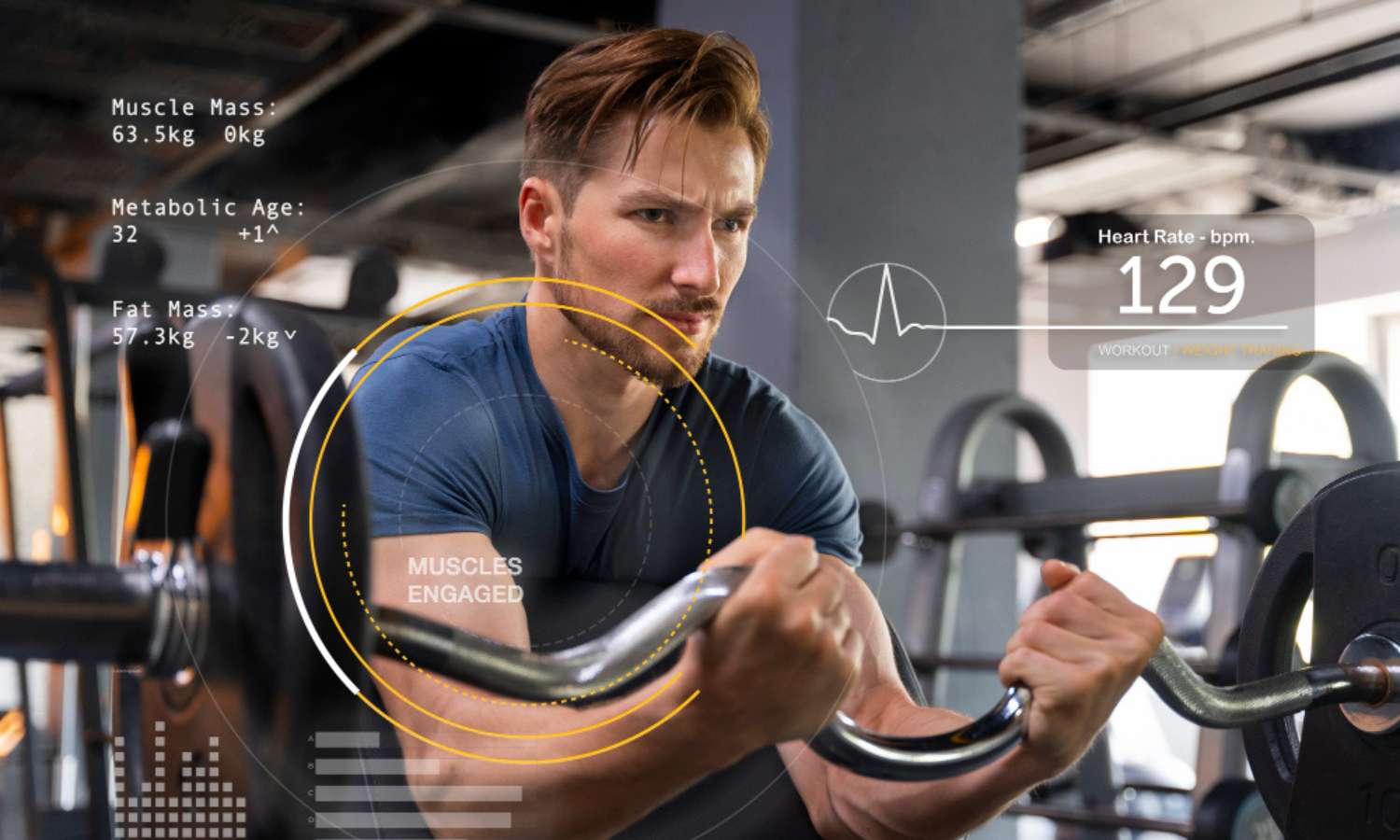
Gone are the days when fitness progress was measured by gut feeling or sweat alone. AI-powered fitness wearables are now at the heart of smarter, more efficient workouts. Whether you’re a home workout warrior or a gym regular, these smart gadgets deliver data-driven insights, real-time feedback, and customized routines that help you train better, not just harder.
What Are AI-Powered Fitness Wearables?
These are smart devices worn on the body like watches, bands, rings, or even AI-enhanced clothing embedded with sensors and AI algorithms. They track movement, heart rate, sleep, reps, posture, and even stress. But unlike old-school fitness trackers, AI wearables do more than record data; they interpret it and coach you in real time.
Key Features:
- Real-time feedback on form, pace, and effort
- Smart workout suggestions based on fatigue and progress
- Recovery and readiness scoring
- Integration with fitness apps and virtual trainers
5 Ways Smart Wearables Are Changing Your Workouts
1. Form Correction in Real Time
With motion sensors and gyroscopes, wearables can now detect poor posture or incorrect form during squats, lunges, or push-ups. Many devices vibrate or alert you instantly, helping you fix mistakes before they lead to injury.
2. Smarter, Adaptive Workouts
Instead of a one-size-fits-all plan, AI wearables adapt your training intensity daily. If your heart rate variability (HRV) is low and your sleep was short, your smart ring might suggest a light yoga session rather than HIIT. It’s personalized fitness at its best.
3. Instant Motivation and Gamification
Gamified tracking, daily movement rings, social challenges, and AI-driven voice feedback boost consistency. Some apps even coach you through workouts like a personal trainer without the hefty cost.
4. Recovery Tracking for Better Gains
AI wearables track your sleep quality, oxygen levels, and HRV to calculate your recovery score. Based on that, you can adjust training intensity and avoid burnout, maximizing muscle gain and fat loss.
5. Health Monitoring on Autopilot
Beyond fitness, these devices monitor heart health, detect irregular rhythms, and even track menstrual cycles and stress levels. It’s like carrying a mini health lab on your wrist.
How to Use AI Wearables Effectively
✅ Choose the Right Gadget
- For basic users: Smartwatches like Fitbit, Amazfit, or Galaxy Fit offer reliable features.
- For advanced training: Look into Whoop, Oura Ring, or Garmin with AI fitness coaching.
- For form correction: Smart shirts or sleeves like Athos or Nadi X.
✅ Let the Device Learn You
Wear it consistently for at least 2 weeks before making decisions. The more data, the smarter the coaching.
✅ Follow Its Guidance But Use Common Sense
If your watch recommends skipping leg day but you feel energized, don’t blindly follow tech. Balance data with intuition.
✅ Sync with Fitness Apps
Maximize benefits by syncing with apps like MyFitnessPal, Strava, Google Fit, or Apple Health for a holistic view of your fitness.
Are There Any Downsides?
Yes, and it’s worth noting:
- Data Overload: Too many stats can cause confusion or obsession.
- Accuracy varies: Budget gadgets might not offer precise readings.
- Privacy: Your health data is being stored. Read privacy policies carefully.
- Cost: Advanced wearables can be pricey, though entry-level models are becoming more affordable.
Final Thoughts
AI-powered fitness wearables are not a trend; they’re the future. They put expert-level coaching, recovery science, and motivation right on your wrist or finger. Whether you’re trying to lose weight, gain muscle, or build a lasting fitness habit, these tools can guide you with precision and consistency.
Remember: The best workout isn’t the hardest; it’s the smartest. With AI in your corner, your goals just got a whole lot closer.
Got a fitness goal in mind? Comment below with what you’re aiming for, and I’ll help you match the right wearable for your journey.